Welcome to Solidity

Ready to dive into the world of blockchain?
This eLearning course, designed for experienced developers, combines the best of traditional software engineering with smart contract programming. You’ll get a clear, hands-on roadmap to mastering blockchain development and the Solidity programming language.
AUDIENCE: Software developers with minimal exposure to blockchain concepts and the Solidity language
RESPONSIBLILITIES: E-learning Development, Instructional Design, Visual Design, Prototyping
TOOLS USED: Articulate Rise, Adobe Illustrator, Adobe Illustrator, Google Suite
Build, Deploy, and Master Smart Contracts
The Problem and SolutioN
THE PROBLEM
My client, a fast-growing blockchain company, faced a significant challenge: a shortage of qualified Solidity developers to keep up with their expansion. This gap led to project delays, higher costs, and concerns about maintaining quality.
The situation was made worse by the fact that Solidity learning resources were spread across various platforms, making it hard for experienced developers to upskill efficiently. Without a clear, structured path to mastery, closing the talent gap became even more difficult.
THE SOLUTION
To address the demand for Solidity developers, I created the first course in a structured learning path, helping experienced developers transition into blockchain. Focusing on fundamentals and Solidity, it provided a step-by-step guide to writing and deploying smart contracts, giving the company a long-term strategy for building talent.
I also introduced a self-paced framework, so developers could progress through advanced topics at their own speed. This scalable approach created a sustainable pipeline of blockchain expertise.
The Process
Analysis
During the Analysis Phase of ADDIE, I conducted an extensive needs assessment, utilizing Job Task Analysis and SME interviews to better understand the audience. The results indicated that while learners were proficient in software development, they lacked specialized knowledge in blockchain and smart contracts.
To bridge this knowledge gap, I analyzed existing materials, identified common deficiencies, and mapped out clear learning objectives. I then structured the module around six key concepts, creating a real-world, hands-on approach that helped learners easily transition into blockchain development.
Design
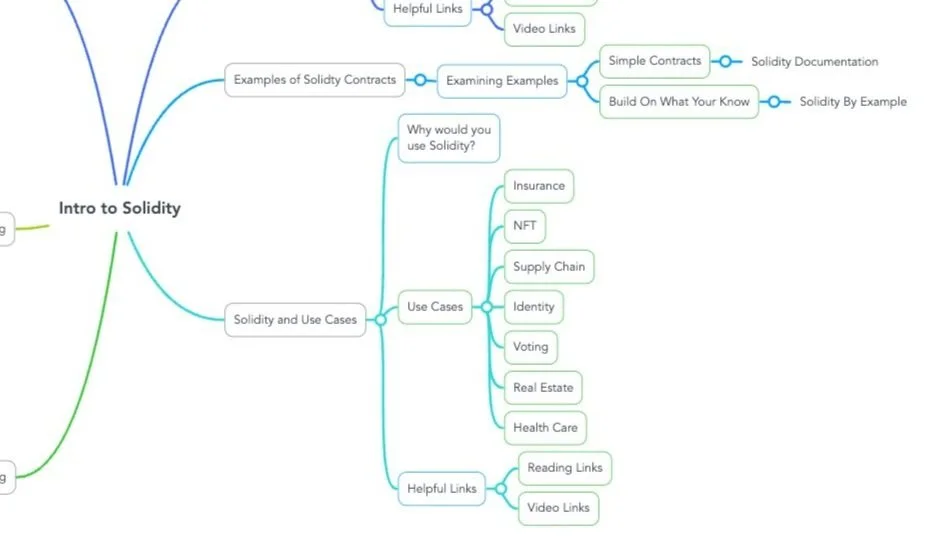
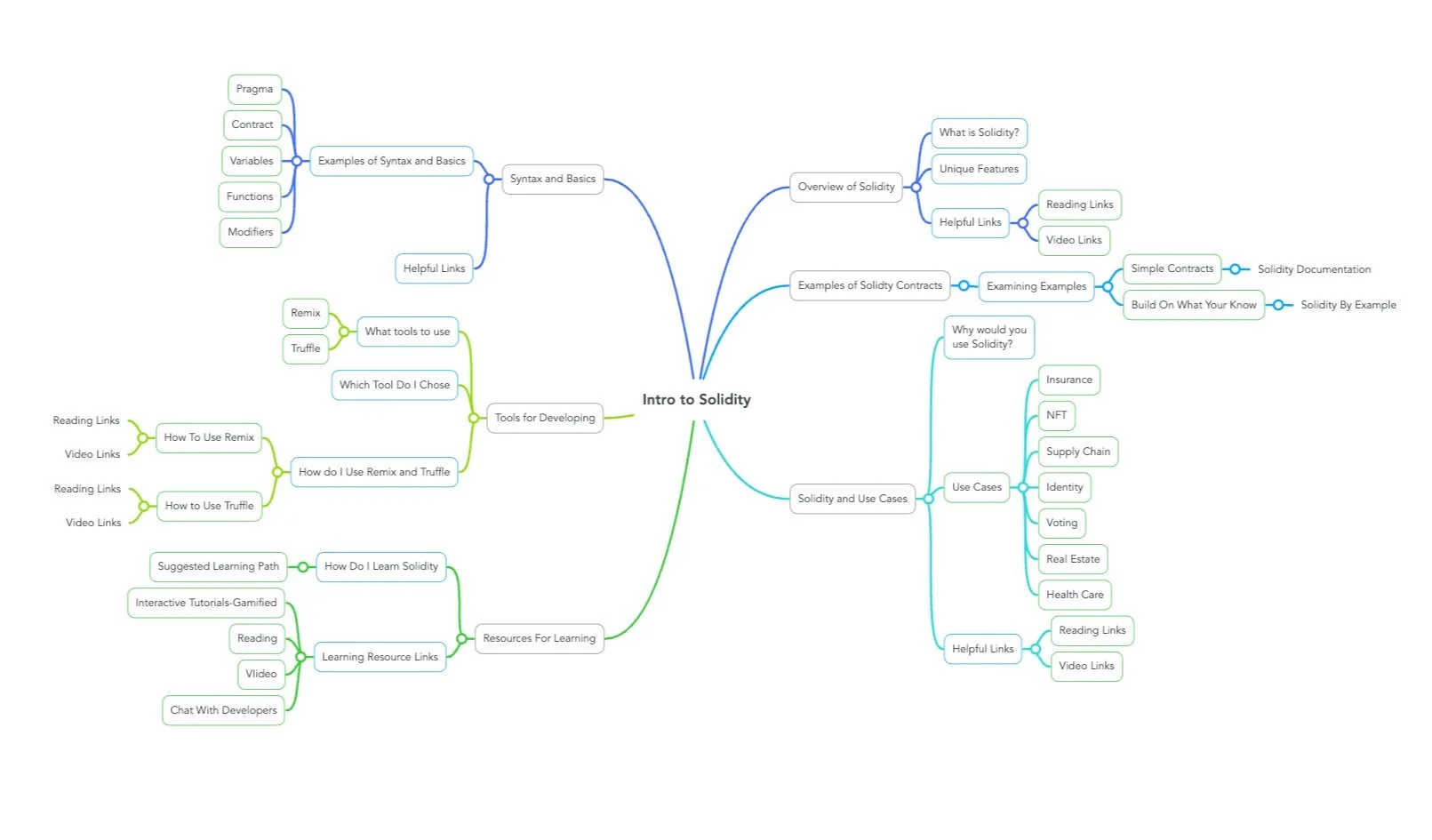
I began by visually mapping out the content, creating a clear and intuitive learning path that stayed closely aligned with the key objectives.
Understanding that Solidity can be complex, I applied cognitive load theory to break down concepts into bite-sized lessons, making them easier to digest. I also highlighted career opportunities, showing developers how mastering Solidity could fast-track their journey into blockchain development.
To keep the learning experience engaging, I incorporated hands-on coding challenges, video lessons, and gamification, turning theoretical knowledge into practical, real-world skills.
Development
As I entered the development phase, I built the module in Articulate Rise, organizing each lesson for clarity and engagement. I focused on reinforcing concepts with practical examples and clear explanations, helping learners stay focused and confident.
To make the experience interactive and engaging, I added visuals, videos, and hands-on activities, so that the material was both relevant and easy to absorb. Throughout the process, I worked closely with subject matter experts to keep the content grounded in real-world applications. Every activity was designed to support the learning objectives, creating a training experience that was both meaningful and effective.
Implementation
During the implementation phase, the software development team manager led the rollout, assigning training and managing the process through the company’s LMS.
I closely tracked learner feedback and progress, making focused adjustments to keep the training aligned with its objectives and help it deliver practical, real-world results. Every change was made to keep the content engaging and relevant, meeting the needs of the team.
Evaluation
I used the Kirkpatrick Model to assess the module, relying on concrete data to guide the evaluation process. This approach provided clear insights, leading to informed decisions and meaningful improvements.
By reviewing learner feedback, knowledge retention, skill application, and organizational impact, I made data-driven updates to strengthen effectiveness and drive long-term results.
Reaction: Surveys gathered immediate feedback on how engaging and relevant the content was for learners, helping to understand their initial response.
Learning: Pre- and post-tests measured knowledge retention, giving a clear picture of how much learners absorbed throughout the course.
Behavior: Managers observed how well developers applied their new skills in real-world tasks, providing valuable insights into the transfer of learning to their daily work.
Results: The effectiveness of the training was measured through completion rates, engagement analytics, and feedback from supervisors, offering a comprehensive view of the impact on both learners and the organization.