ADKAR 101
Mastering Change, One Step at a Time
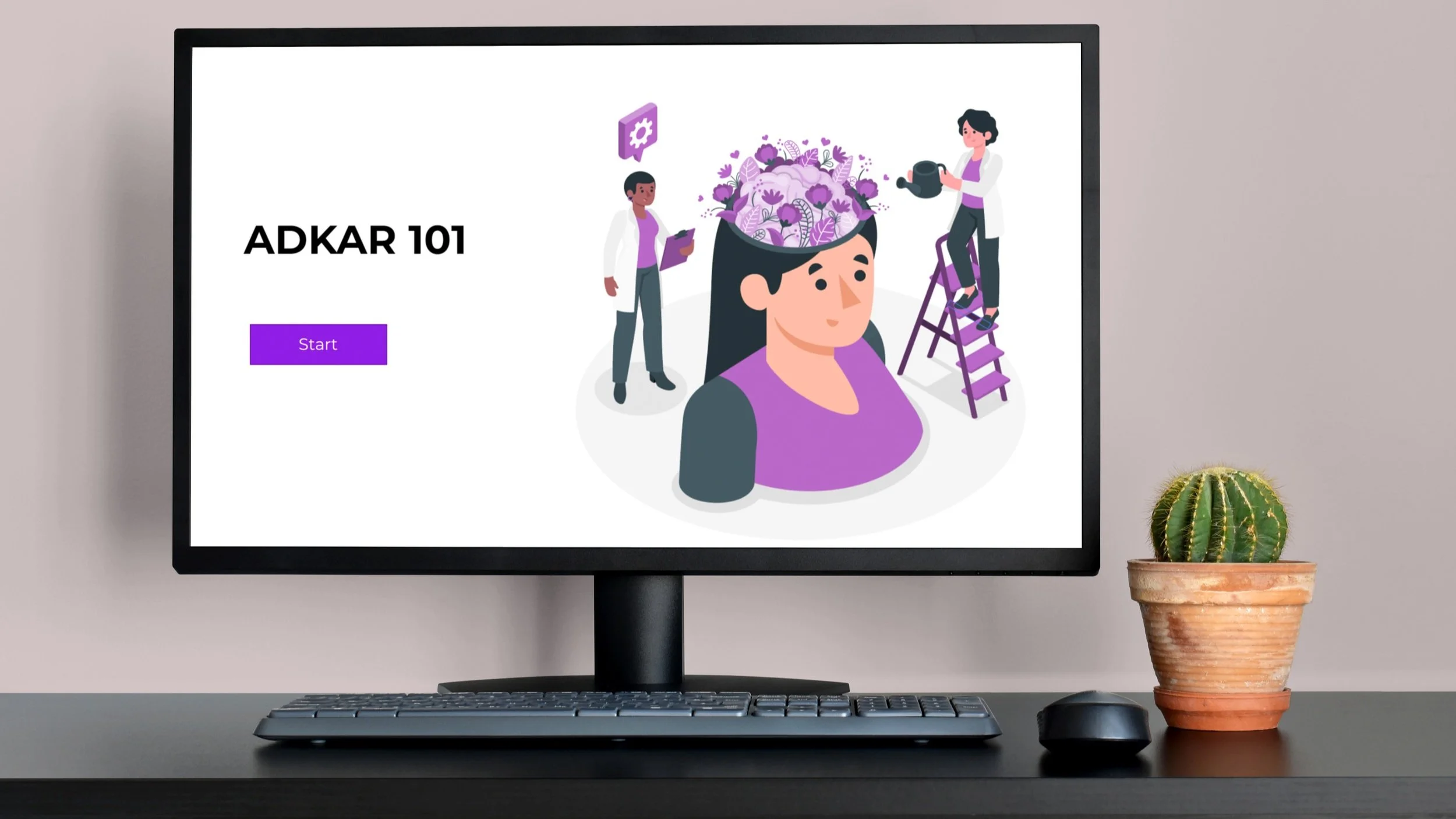
This interactive module provides a focused, actionable introduction to the ADKAR change management model. With a blend of overviews, hands-on activities, and a practical quiz, it equips learners to navigate and lead organizational change with confidence and clarity.
Audience: Managers who are unfamiliar with Change Management
Storyline Skills: Layers, triggers, variables, questions banks, drop targets, conditional interactivity
Responsibilities: Instructional Design, eLearning Development, Visual Design, Prototyping
Tools Used: Articulate Storyline 360, Adobe Photoshop, Adobe Illustrator, Google Suite
The Problem and Solution
I developed an interactive module for a software company to introduce their management team to Change Management principles. As they rolled out new tools to streamline processes, leadership needed a clear grasp of the ADKAR model to drive adoption effectively. This training provided them with an actionable framework for leading change and ensuring a seamless transition.
The module used the ADKAR model’s five focused steps: awareness, desire, knowledge, ability, and reinforcement. To connect theory with practical application, I built a scenario-based quiz where managers solved workplace challenges, solidifying their understanding and preparing them to act decisively in real-world situations.
The Process
I chose the SAM (Successive Approximation Model) over ADDIE to develop the ADKAR 101 module because its iterative design fits the dynamic nature of a fast-paced software company. SAM’s rapid prototyping and real-time feedback made it possible to adapt quickly, keeping the module aligned with the company’s evolving needs as they adopted new tools and cultivated cultural growth.
Using Articulate Storyline, I designed interactive content featuring tab interactions, drag-and-drop activities, and quizzes. Building in stages, starting with a prototype and refining as needed, I delivered a meaningful, actionable learning experience that supported the company’s vision for effective change management.
Storyline and Design Notes
Tab Interaction
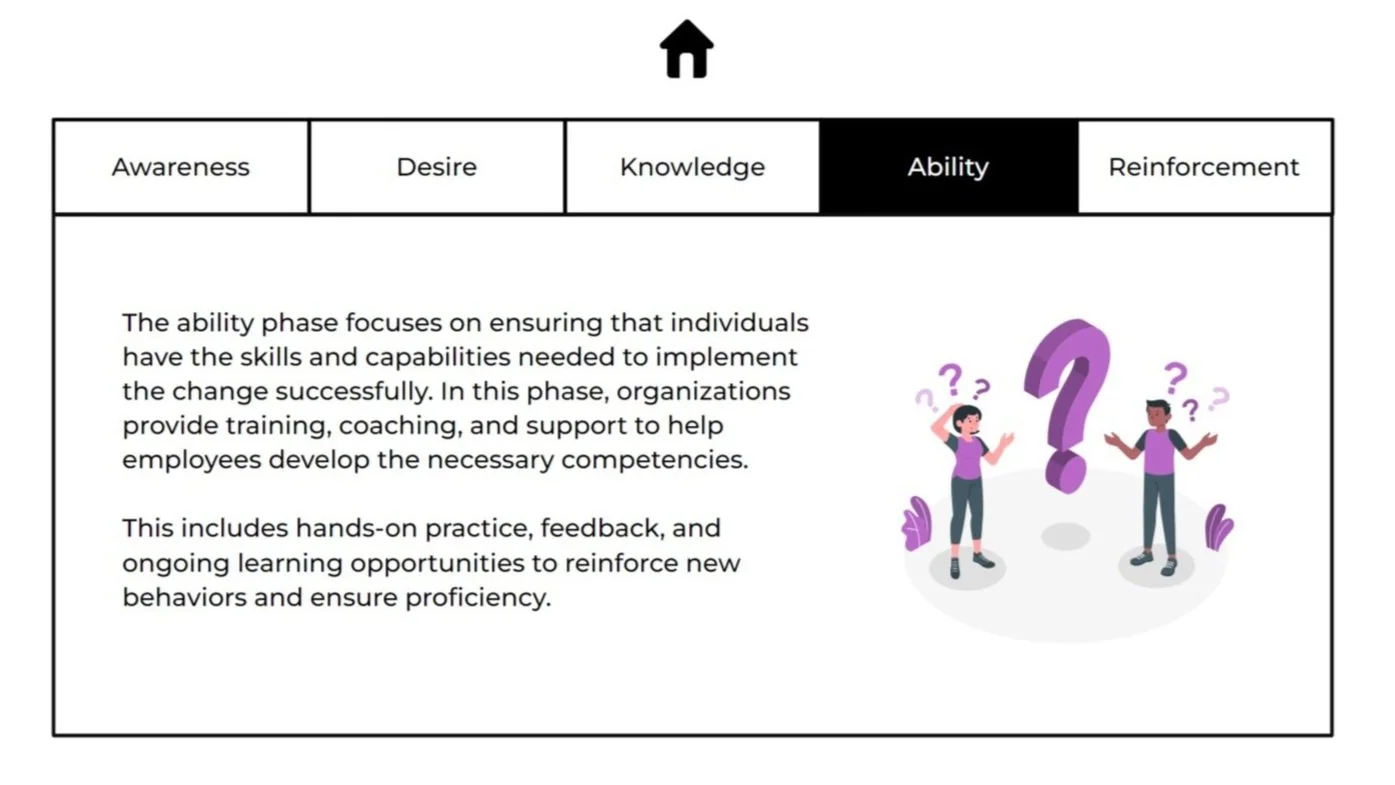
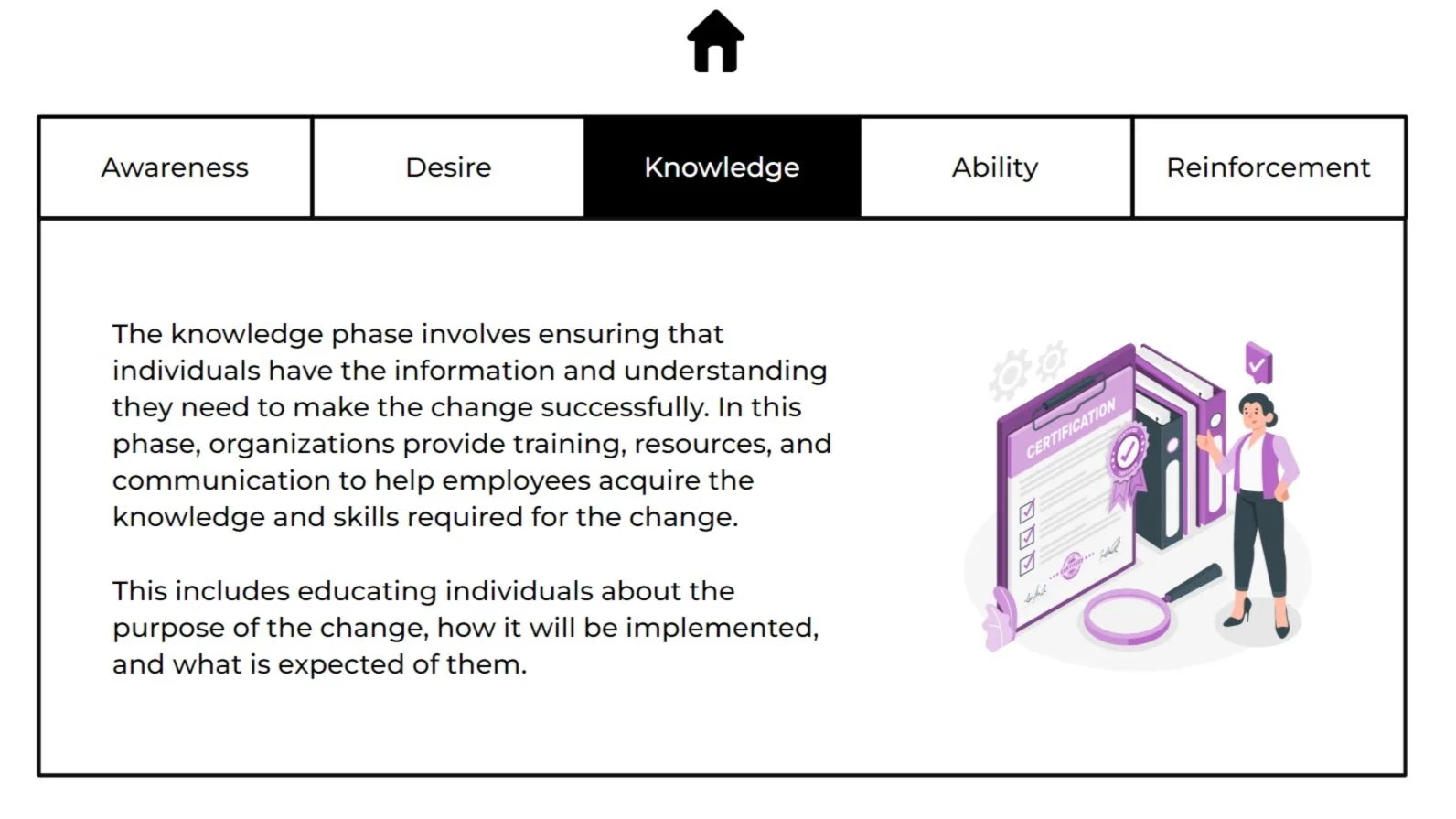
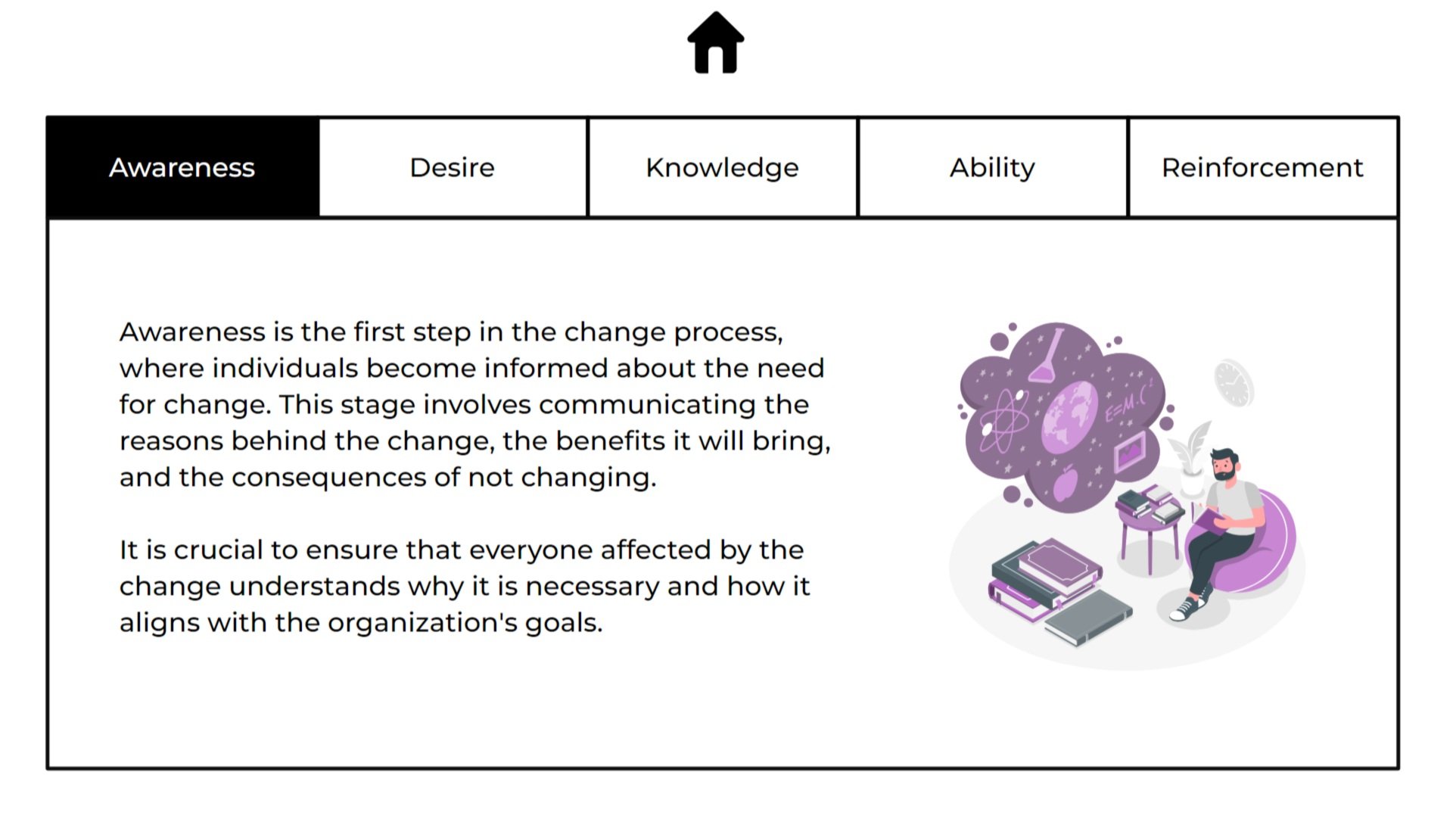
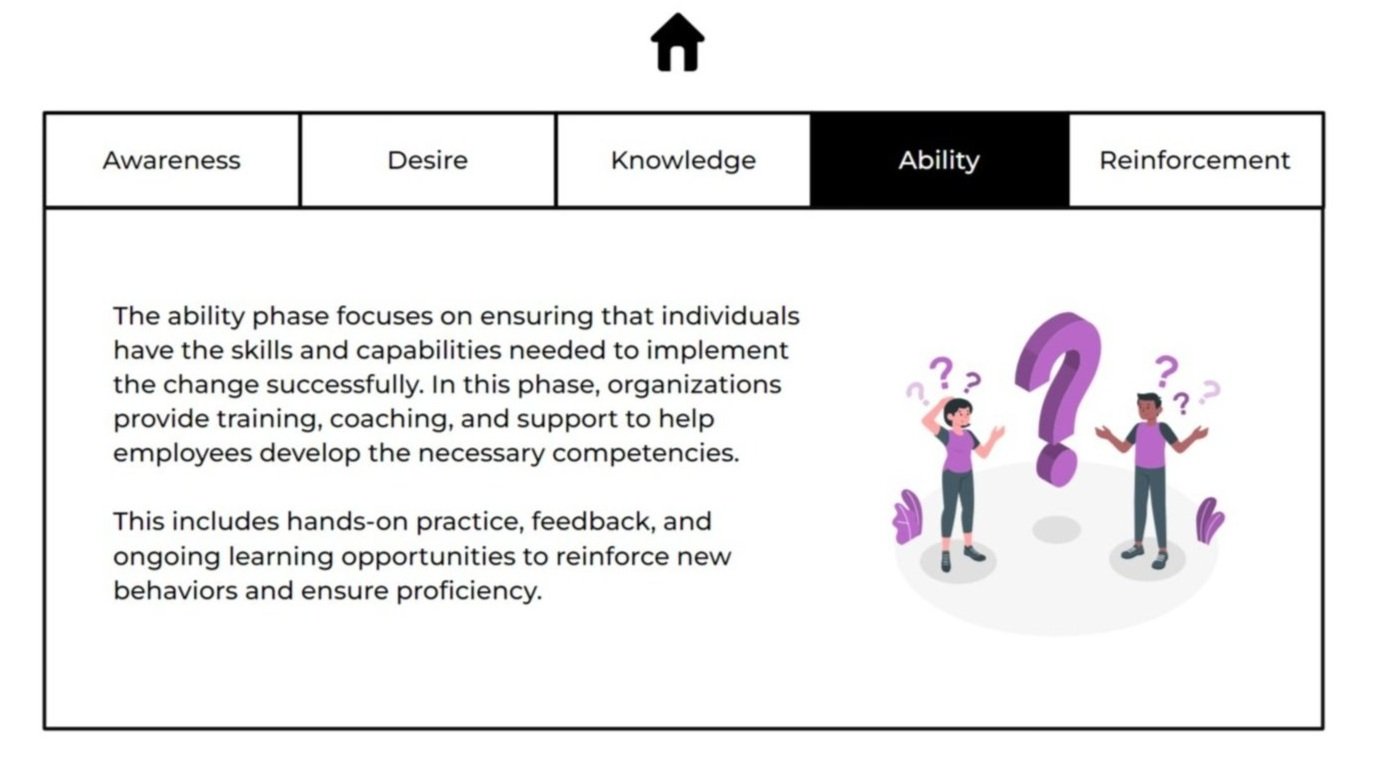
To teach the ADKAR model effectively, I created a tab interaction built with layers, triggers, and states, offering a seamless and engaging experience. Clear labeling and visual cues made navigation intuitive, reducing cognitive load and allowing learners to focus fully on the material.
I incorporated progressive disclosure, gradually revealing information in a step-by-step format. This thoughtful design approach helped learners absorb concepts more deeply and retain the material. The interaction was fully responsive, ensuring accessibility and usability on any device, making it a practical tool for learners in diverse settings.
Drag and Drop
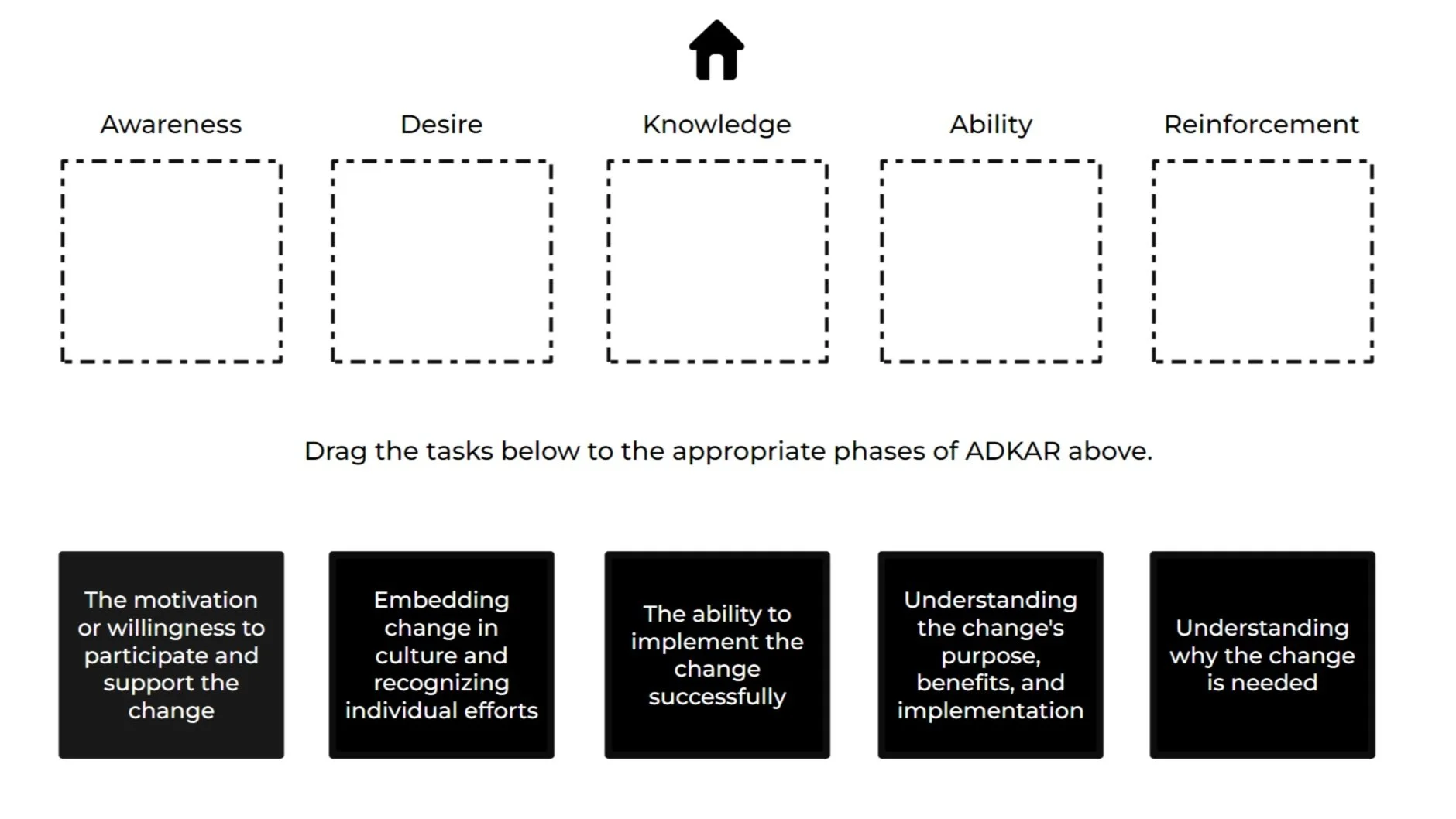
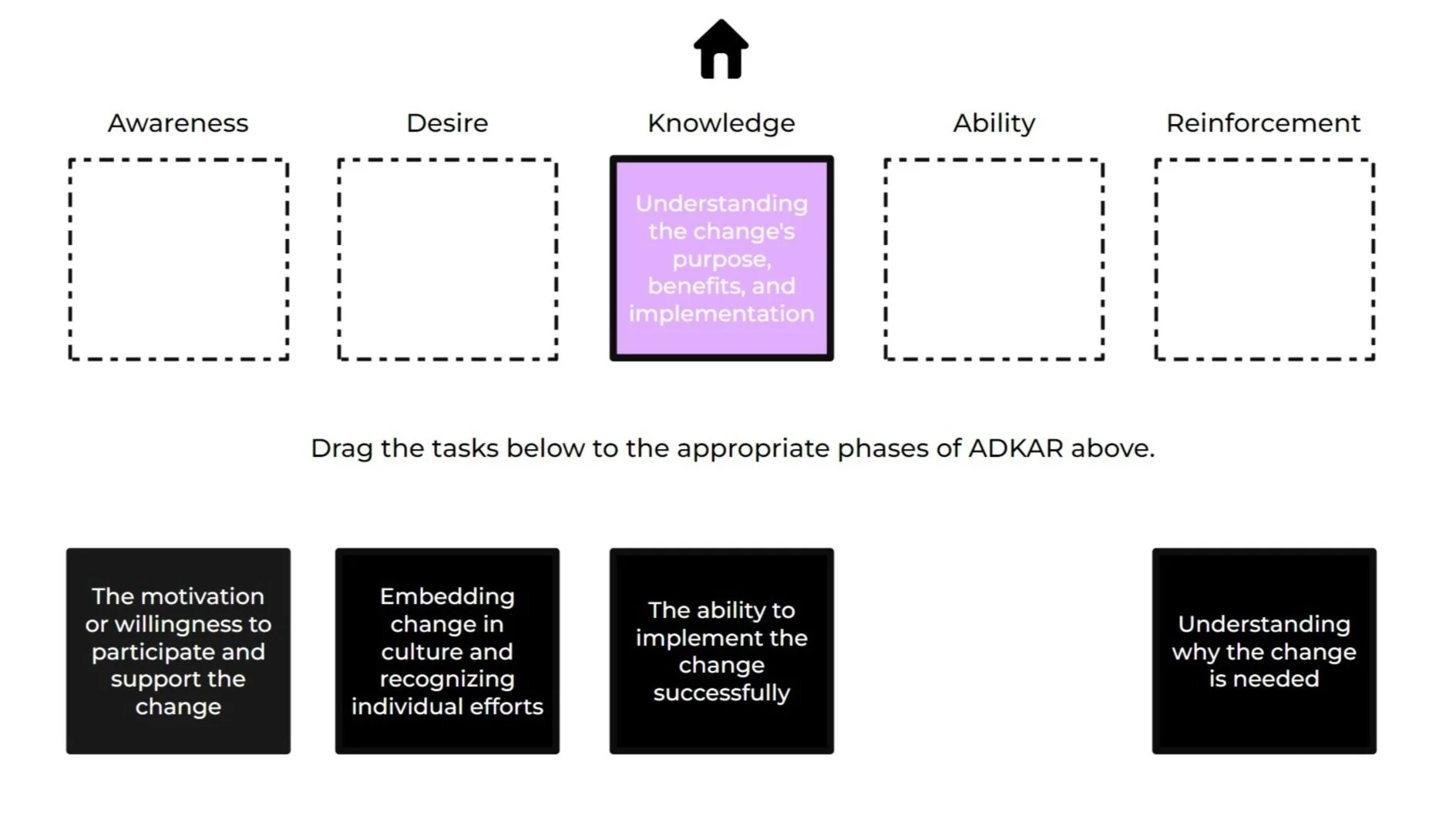
I incorporated a drag-and-drop activity, a hands-on feature that engages learners by allowing them to interact directly with the material. Using layers, triggers, states, and drop targets, the activity promotes deeper understanding and faster concept mastery.
With instant feedback and retry options, the process stays dynamic and practical, transforming learning into an active, results-focused experience.
Quiz
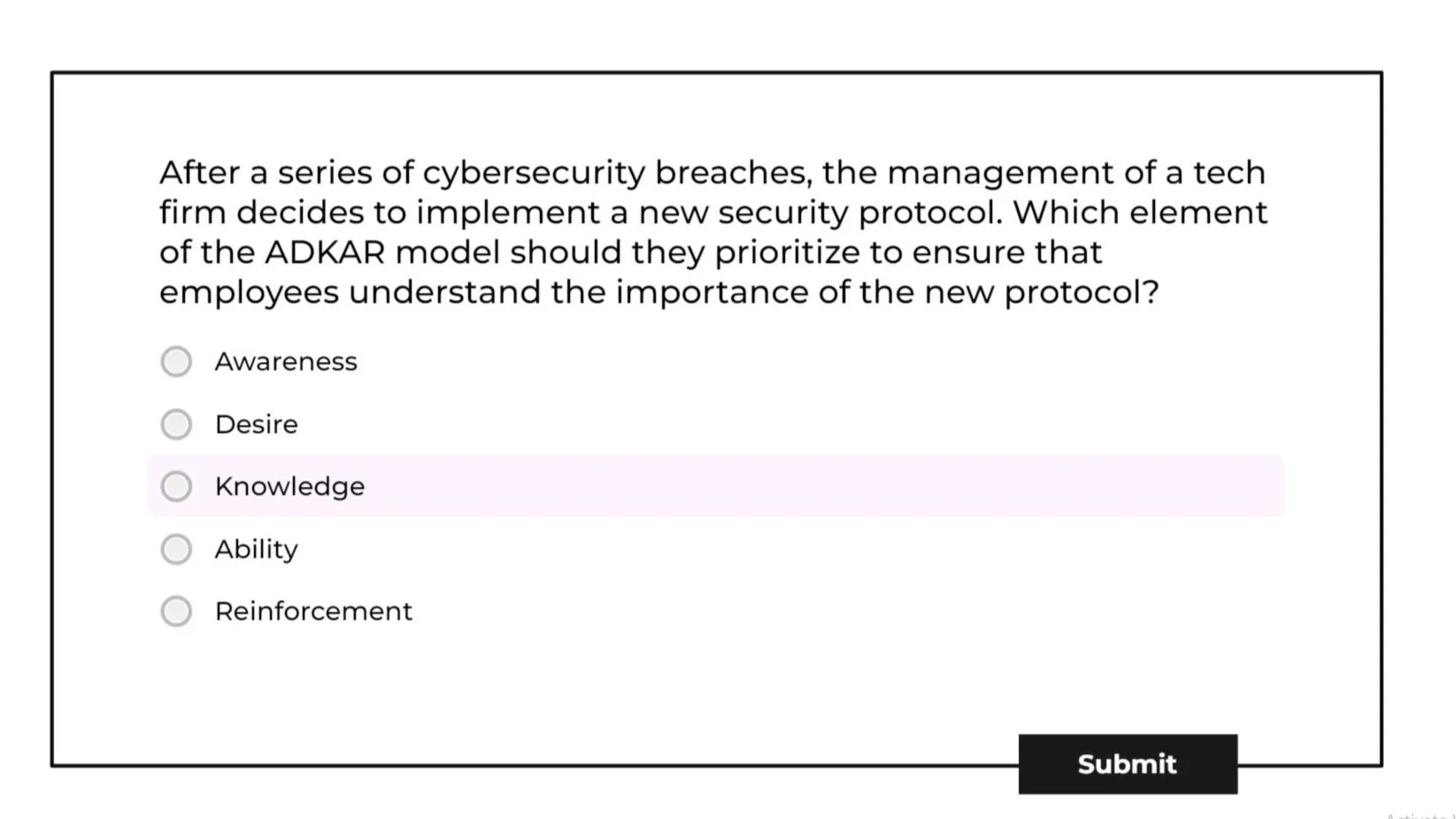
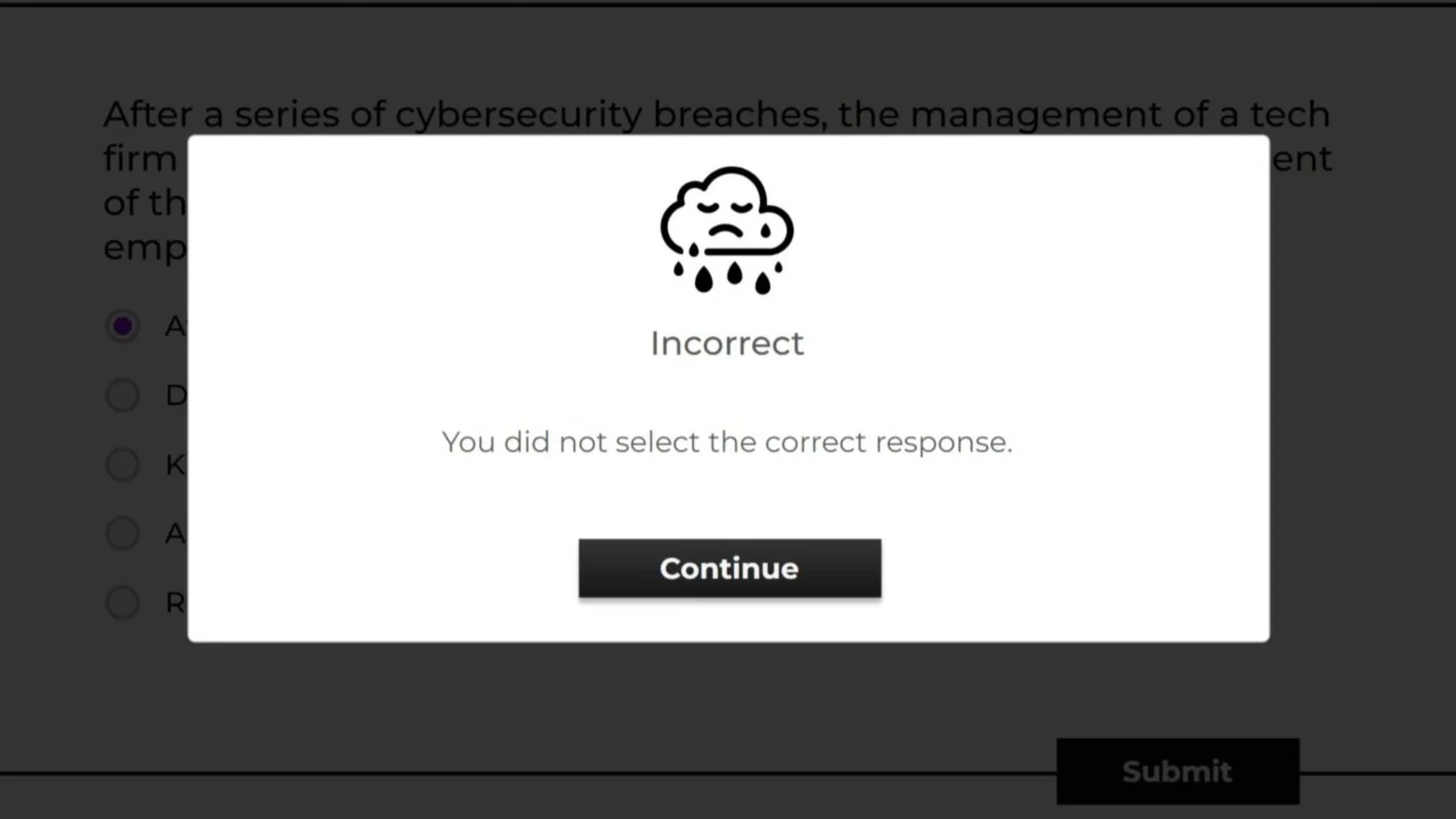
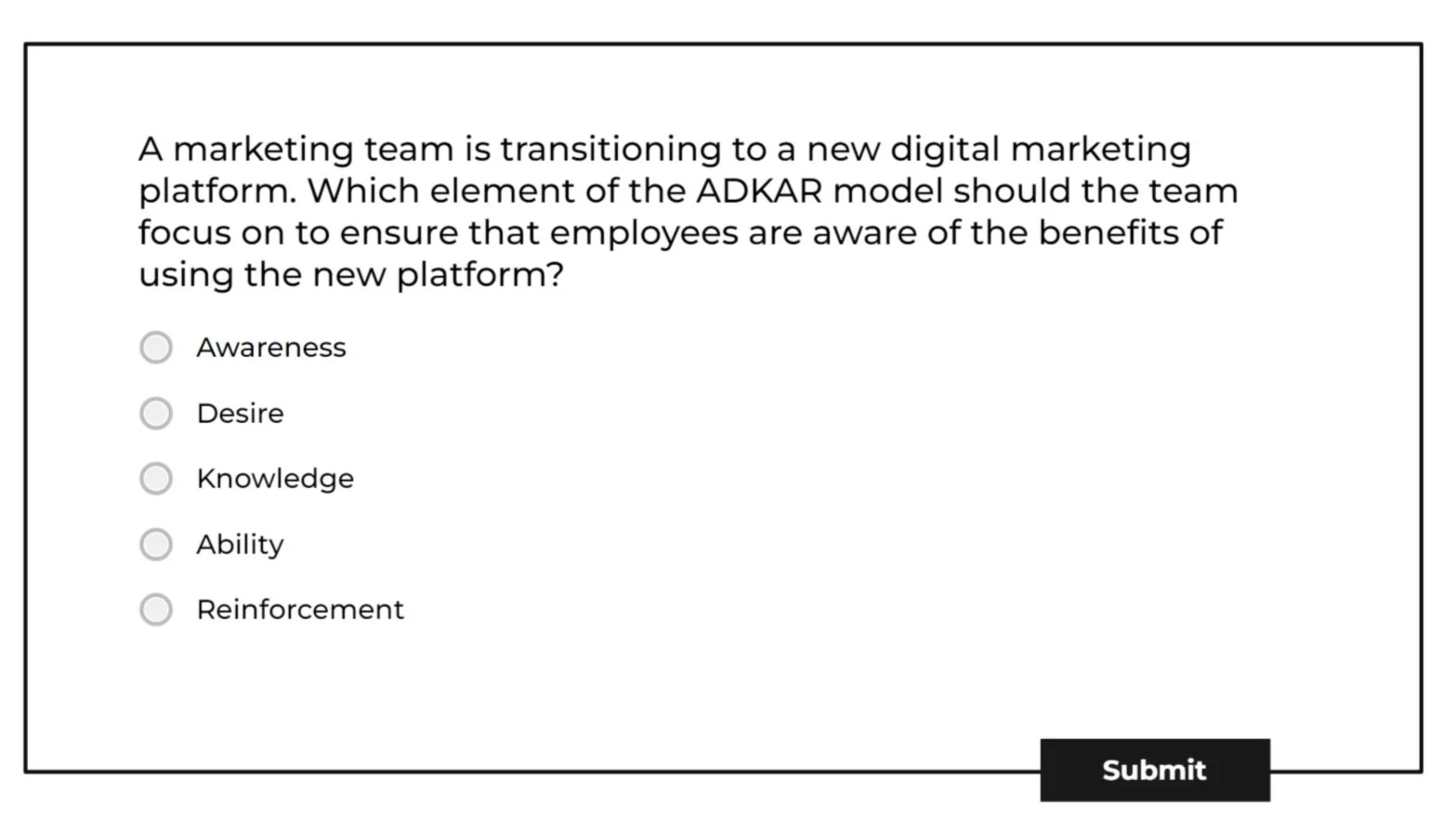
I built a quiz to test knowledge, using randomized multiple-choice questions from a question bank to keep it fair and unpredictable. Each answer comes with custom feedback, complete with emojis, making the experience more interactive and engaging.
The module was published as a SCORM package and configured to sync seamlessly with the LMS, providing detailed performance tracking. This approach is about creating a smarter, more connected learning experience.
Custom Menu
I created a custom menu as the module’s home page, integrating layers, triggers, variables, and conditional interactivity to create a responsive and dynamic experience. Content was split into focused sections to streamline cognitive processing and enhance retention, empowering learners to navigate their journey efficiently.
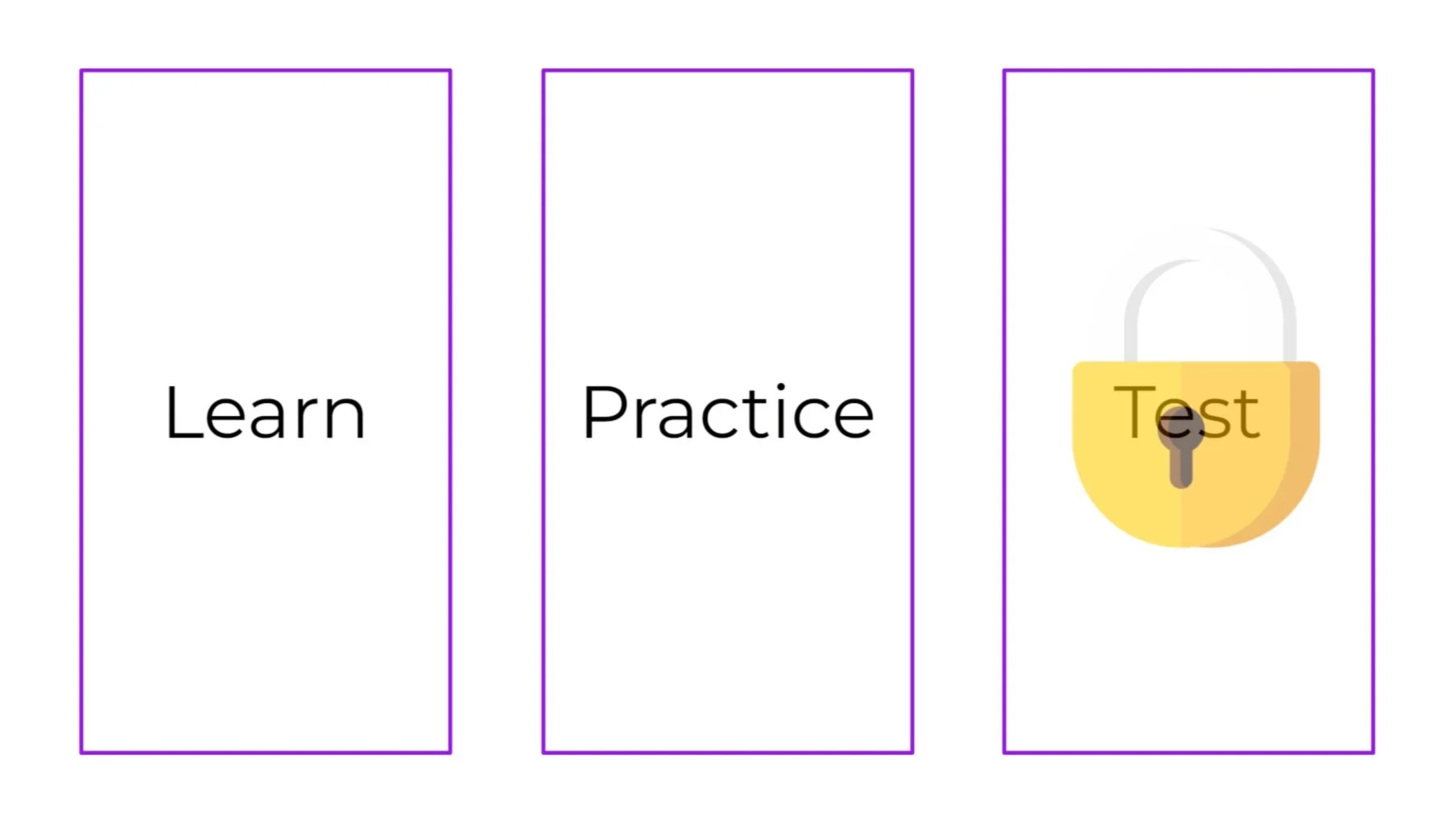
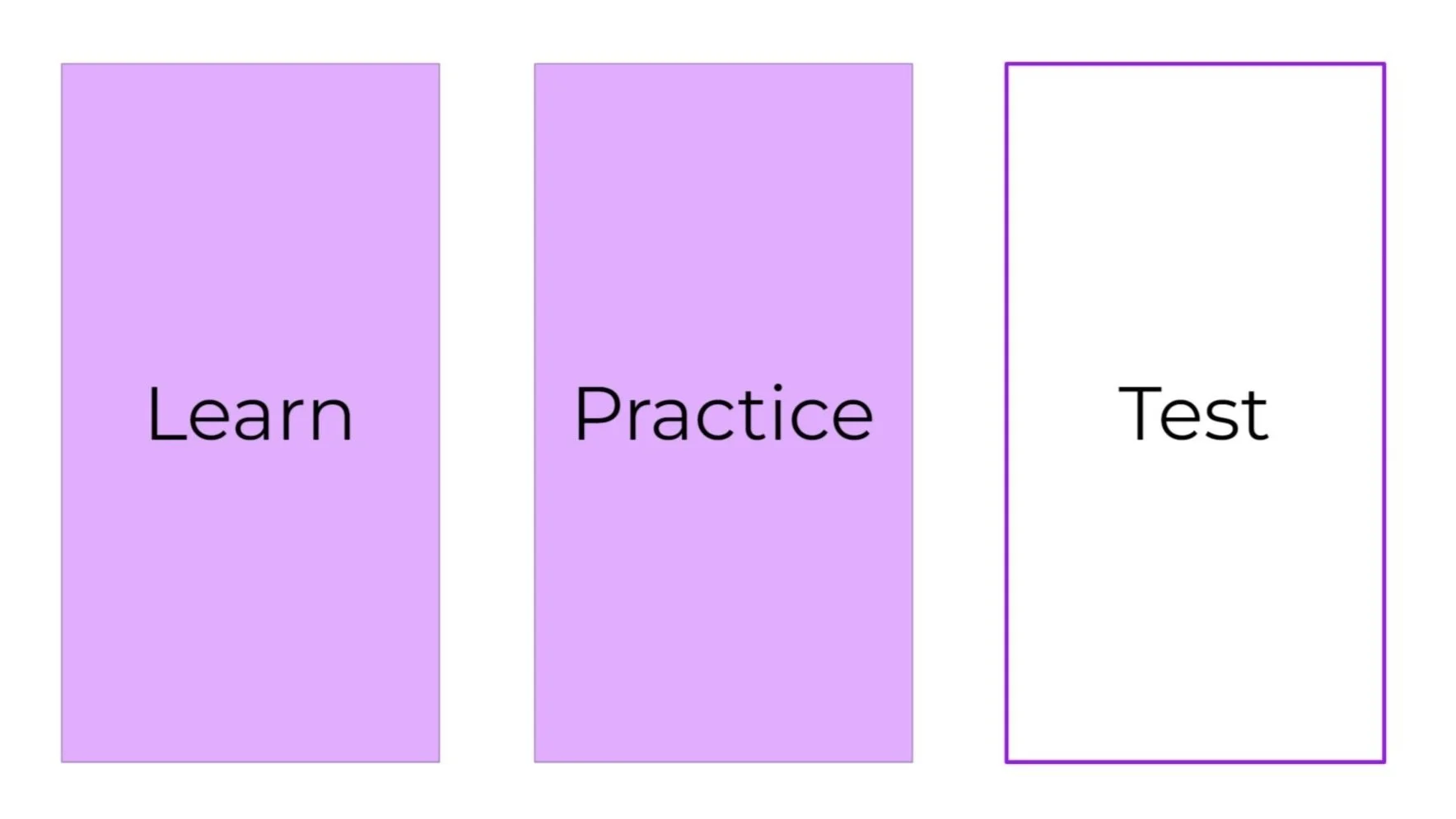
Built-in progress tracking—indicated by sections changing from white to light purple—offered a clear sense of advancement. To maintain flow and focus, the test section stays locked until the Learn and Practice sections are done, guiding learners purposefully through the material.